Camera for Beginners & Hobby Photographers 2026: The Best Entry-Level Cameras – 3 Clear Recommendations from a Photo Trainer
Looking for a camera for beginners? Here you’ll find 3 clear recommendations from a professional photographer & photo trainer – sorted by budget and purpose. With sample photos and a camera finder, pros & cons.

The 3 Best Cameras for Beginners 2026 – Short and Honest
You finally want a “real” camera and you’re faced with dozens of model names, abbreviations and spec sheets that all sound important. I’m a professional photographer and have been teaching photography beginners for 6 years. In every course I see which cameras are genuinely fun and which end up in the cupboard after two weeks. That’s why you get no list of 30 cameras here, but three cameras I currently recommend to beginners most often – depending on what matters most to you:
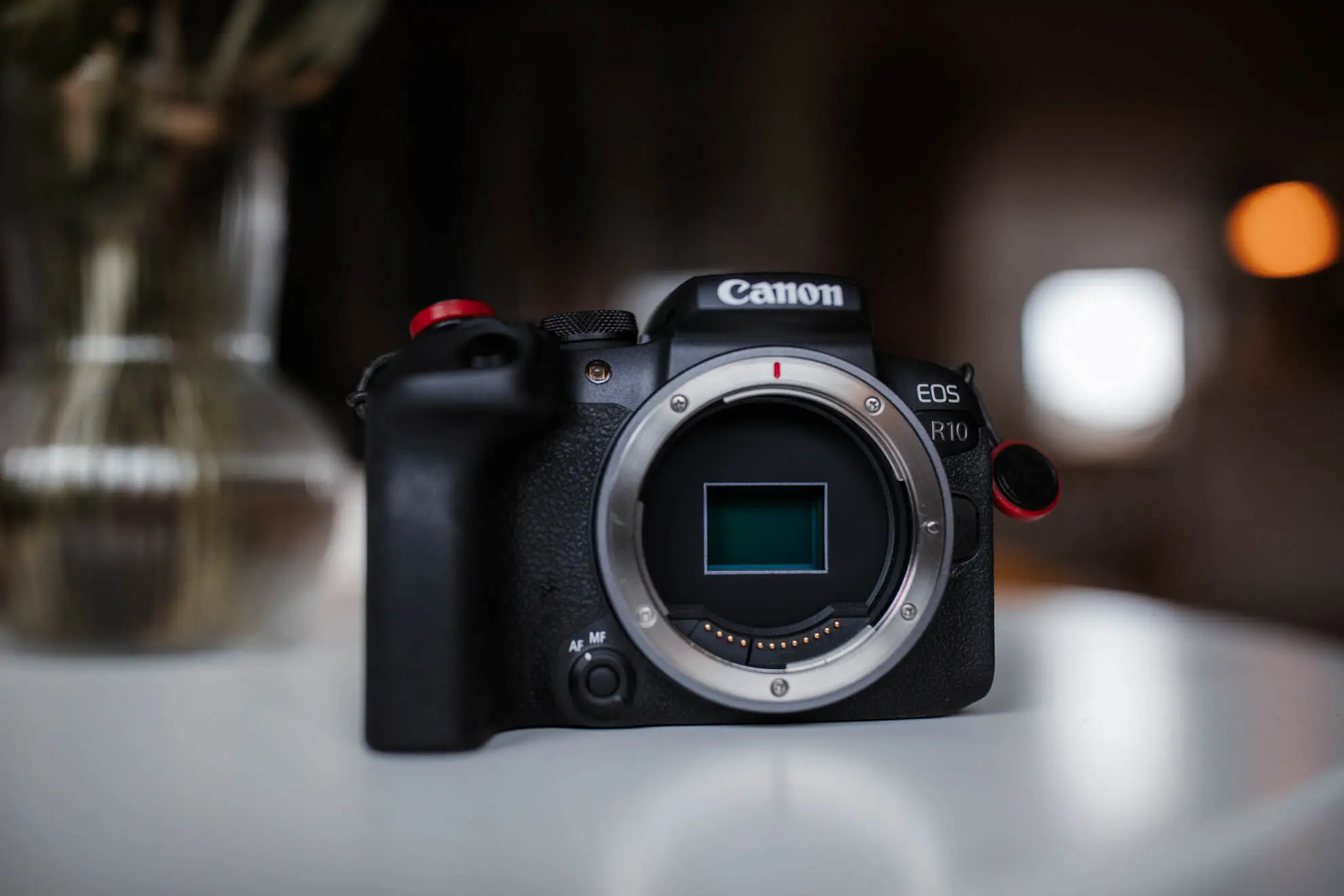
Canon EOS R10
The right choice for most beginners: flexible for every photo genre – landscape, portrait, family, travel, everyday – and fast enough for first attempts at sports and wildlife.
Pros
- Very good all-round camera for beginners and advanced users
- Small and light
- Vari-angle screen
- very good image quality
- very good autofocus
Cons
- Currently hardly any RF-S lenses available
Details
- 24-megapixel APS-C sensor
- 15 frames per second
- 4K video
Canon EOS R100
If your budget is small and you mainly want one thing: clearly better than a phone, with the option to later learn to photograph “properly” in manual mode.
Pros
- Very affordable complete package
- Very good autofocus with eye, face and subject detection
- Low-noise sensor
Cons
- No touchscreen operation
- No vari-angle screen
- Only about 3 frames per second with autofocus
- No sensor cleaning
- Weak video specs
- Small viewfinder
- Only a few buttons
Sony ZV-E10 II
Perfect for YouTube vlogs, reels and when you want to film yourself. And of course you can also use this camera to take photos normally.
Pros
- best autofocus in its class
- reliable eye detection
- 4K video up to 60p
- front-facing flip-out touchscreen
- good internal sound
- light
Cons
- no viewfinder – image control only via the display
- no sensor-based image stabiliser
*Affiliate links: if you buy through one of these links, I receive a small commission – at no extra cost to you. This doesn’t influence my selection; I’d recommend all three cameras to beginners even without an affiliate programme. I’ve used or tested all of them myself. More details and sample photos of the cameras further down.
Why exactly these three, what matters with your first camera purchase and which camera suits your situation – that’s what the next sections are about.

Why You Can Trust This Buying Guide
I’m Stephan Forstmann – a professional photographer since 2015, and I’ve been running photography courses for beginners for 6 years. I keep this page continuously updated.
I don’t recommend any camera here that I haven’t held in my own hands. The selection is based on my own use or loan units (14 of the 16 models listed here, over the last 3 years) and the cameras my course participants bring along (over 30 beginner cameras) – not on spec sheets or press releases. There are also no paid placements and no manufacturer sponsorship here.
Last updated on 3 September 2026 · Latest changes: list shortened, Sony ZV-E10 II added, prices updated.
Different things matter for beginners than for professionals. So I weight them in this order:
- Handling, operation & menu navigation – the most important criterion
How quickly do you get to your first really good photo without the manual? Are aperture, ISO and exposure logically accessible? - Autofocus in everyday use – high
Hit rate with moving children, pets and low light, not in a lab scenario but in typical family/travel situations. - Image quality JPEG & RAW – high
How good do the automatic JPEGs look straight out of the camera? How much headroom do the RAWs have at ISO 1600–6400? - Viewfinder, display, ergonomics, weight – medium
Do you like to take the camera with you? Vari-angle screen, grip, operation with gloves/small hands. - Lens system & follow-up costs – medium
Are there affordable lenses to grow with? How expensive does expanding the kit realistically get? - Video basics – depending on your use case
4K, autofocus in video, internal sound, front-facing flip-out display. - Value for money incl. the used market – an overarching corrective
What do you get for your money – new and used?
What I disclose
I specialise in wedding, portrait and Milky Way photography. Extensive sports/wildlife burst tests are not my core area. Where that counts, I point to specialised sources. The order of the recommendations is independent of affiliate programmes.
Das erwartet dich im Beitrag
Find the Beginner Camera That Suits You Best
- Do you mainly want to photograph holidays and family? Then a small, light APS-C system camera is perfectly enough.
- Do you want to photograph animals or sports? Pay particular attention to a fast autofocus and to there being suitable telephoto lenses for the system.
- Do you want to photograph weddings or portraits later on? Then it pays to invest directly in a camera system with a large choice of lenses and possibly in a camera with a full-frame sensor.
- Do you mainly want to record videos? A fully articulating display and a microphone input are more important than lots of megapixels.
A Camera, or Is a Phone Enough?
Before you spend money, it’s worth asking honestly whether you even need a camera. In good light, current phones deliver images that are perfectly fine for the screen and social media. The software balances contrast, lifts shadows and gives you a finished photo you don’t need to do anything else to. If your shots mostly end up on screens, the gap to an entry-level camera is smaller than the brochures suggest.
The phone has one more advantage no camera can beat: it’s always in your pocket. The best photo is the one you take, not the one you miss because the camera is at home.
This is where the phone reaches its limits:
- Low light: night mode saves static subjects, but as soon as someone moves, that’s it. A larger sensor with a fast lens visibly pulls out more detail and sharpness at dusk.
- Zoom: the telephoto lenses in a phone are physically short; the rest is digital zoom and therefore just an enlargement of existing pixels. For the sports field, the stage or shy animals, there’s no way around a real lens on a camera.
- Blurred background: portrait mode estimates depth and computes the blur in. On the phone screen it looks clean; in a larger print you spot the errors around hair, glasses arms and leaves. And since you can’t trick physics, photos in portrait mode often look “odd”.
- Movement: a system camera’s autofocus stays on a running child or a dog where the phone triggers too late.
- Editing: if you push exposure and colour hard in Lightroom, phone files break down sooner than a camera’s RAW files.
- Prints from A3 up: up to A4 a good phone photo looks fine. Larger on the wall you see the difference in detail and image noise.
In my courses I often see someone buy a camera and hope the pictures will get better by themselves. That’s not how it works. A camera doesn’t do the seeing for you. But it does force you to engage with aperture, shutter speed, ISO and focal length, and you can tell from the photos afterwards that you understand them. Anyone who’d rather just point and shoot and not bother with settings is better off with a phone.
As a rule of thumb: reach for a camera if you often shoot in difficult light, if you want to pull in distant subjects, if you want to blur the background, or if photography appeals to you as a hobby and you actively want to engage with image design and composition. If your phone is enough day to day, you’re better off putting the money into a trip where you take photos.
What Makes a Good Camera for Beginners?
With a good beginner camera you can easily step into the world of photography. The sheer number of available camera models and names will quickly overwhelm you as a beginner. I’ll help you quickly find the right beginner camera with an APS-C or full-frame sensor.
When someone asks me today about the best beginner camera… I get this question regularly by email or in the comments. My answer is almost always the same: for most beginners I recommend a modern APS-C system camera between 700 and 1,300 euros. It offers very good image quality, is light and leaves you enough budget for a good lens. Let’s look together at how to recognise a good beginner camera.
I’ll cover the following points:
- Which specifications should you pay particular attention to as a beginner?
- What types of camera are there and how do they differ?
- Which camera brand is particularly suitable for beginners?
Camera for Beginners: What to Look For
When buying a beginner camera you should pay particular attention to a few points. The following table shows you the most important ones:
| Feature | Effect |
|---|---|
| Camera type | There are different camera types. The ones most interesting for a beginner are mirrorless system cameras and DSLRs, though the latter are now “dying out”. |
| Sensor size | A larger sensor generally has better image quality, especially in poor lighting. Larger sensors also allow more play with depth of field. Here you can choose between MFT, APS-C or full-frame sensors (more on this just below). |
| Camera size | Cameras come in different sizes. Smaller models are much handier and particularly suited to travel. Larger cameras often sit better in the hand and are more rugged. |
| Megapixels | Determines the resolution of the images. Higher megapixel counts capture more detail, but they aren’t the only factor for the sharpness and quality of an image. For a beginner, 16-24 MP is absolutely enough. |
| Autofocus system | A fast, precise autofocus system is useful for sharp images, especially when you want to photograph people, animals or fast situations. What matters for you is that a large part of the sensor area can be used for autofocus and that it recognises faces and subjects. |
| Image stabiliser | Sensor-based image stabilisation – also called IBIS – reduces camera shake and blur caused by your own movement while shooting. So if you tend to have shaky hands, you should prefer a stabilised model. |
| Display | There are differences in displays too. Most models have touchscreen functions, but there are also cameras without a touchscreen (like the Canon EOS R100). If it also matters to you that you can flip the display out (to take selfies), you should watch out for that as well. |
| Viewfinder | With the viewfinder you can shoot more steadily and block out the surroundings. Very good for training the photographic eye. |
| Battery life | Determines roughly how many photos you can take before you have to recharge the |
| Video resolution and features | Important for you if you want to record high-quality videos. 4K video is increasingly becoming the standard. If you only film occasionally, a Full HD resolution (1080p) should be enough. |
Additional Considerations for Your Beginner Camera
Cameras differ. Before you decide, it’s best to think about what your model should offer. Once you familiarise yourself with the specifications, you’re already well on your way into the world of photography. Pay attention to the following:
- Camera construction and ergonomics: weight, handling and comfort while shooting are important factors, especially for longer shooting sessions or while travelling.
- Lens compatibility: the choice of available lenses and their prices have a big influence on the flexibility and photographic possibilities you get with your beginner camera.
- Connectivity: features like Wi-Fi or Bluetooth let you transfer images directly to mobile devices or the cloud, which makes exchanging and sharing your photos easier.
- Viewfinder and screen quality: the type and quality of the viewfinder (optical or electronic) and the size and resolution of the screen significantly affect the user experience.
Budget $700 to $1,300 for the Beginner Camera
Let’s talk straight: there are hundreds of cameras on the market, some differing greatly in size and feature set. In principle you should budget at least 500 to 1,000 dollar for a good, modern camera body with an interchangeable lens and APS-C sensor that’s suitable for beginners.
If you want a full-frame camera, it gets significantly more expensive still.
If that really blows your budget, you still have the option of falling back on older or used camera models. Older cameras are often available for just a few hundred euros, but be aware that the newer models have improved enormously, especially in autofocus. A lot has happened here in the last five years. I’ll give you a few tips for buying used cameras further down.
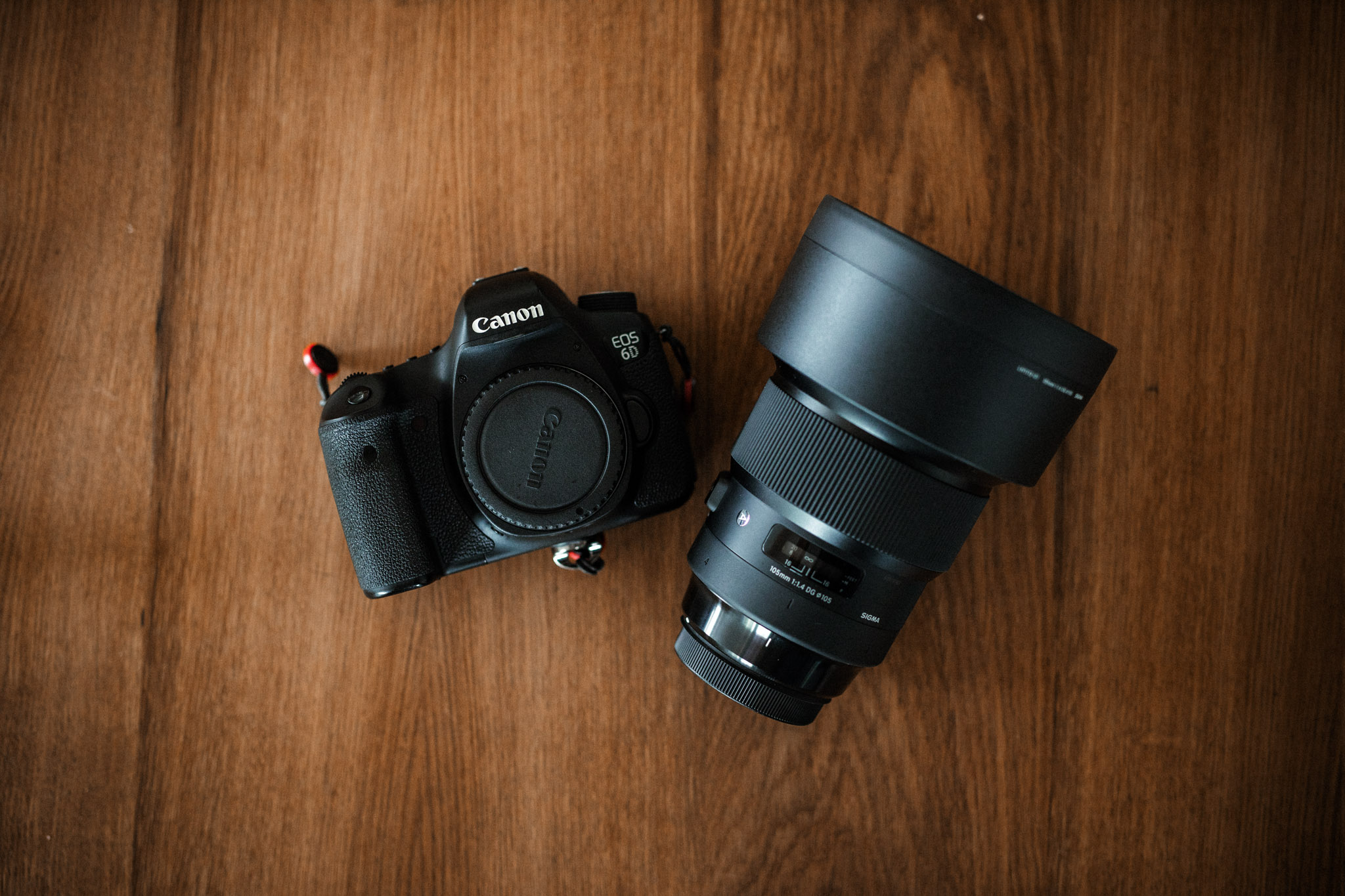
Also important: if you want to progress quickly, you should set aside another roughly 250 to 500 dollar for a lens – ideally a prime. Because with a good lens you take better photos than with a poor one. You’ll find more about good beginner lenses in a separate article.
Sensible but not compulsory is investing in a good tripod, for which you can budget around $100. For $50 you should also get a good memory card and a spare battery.
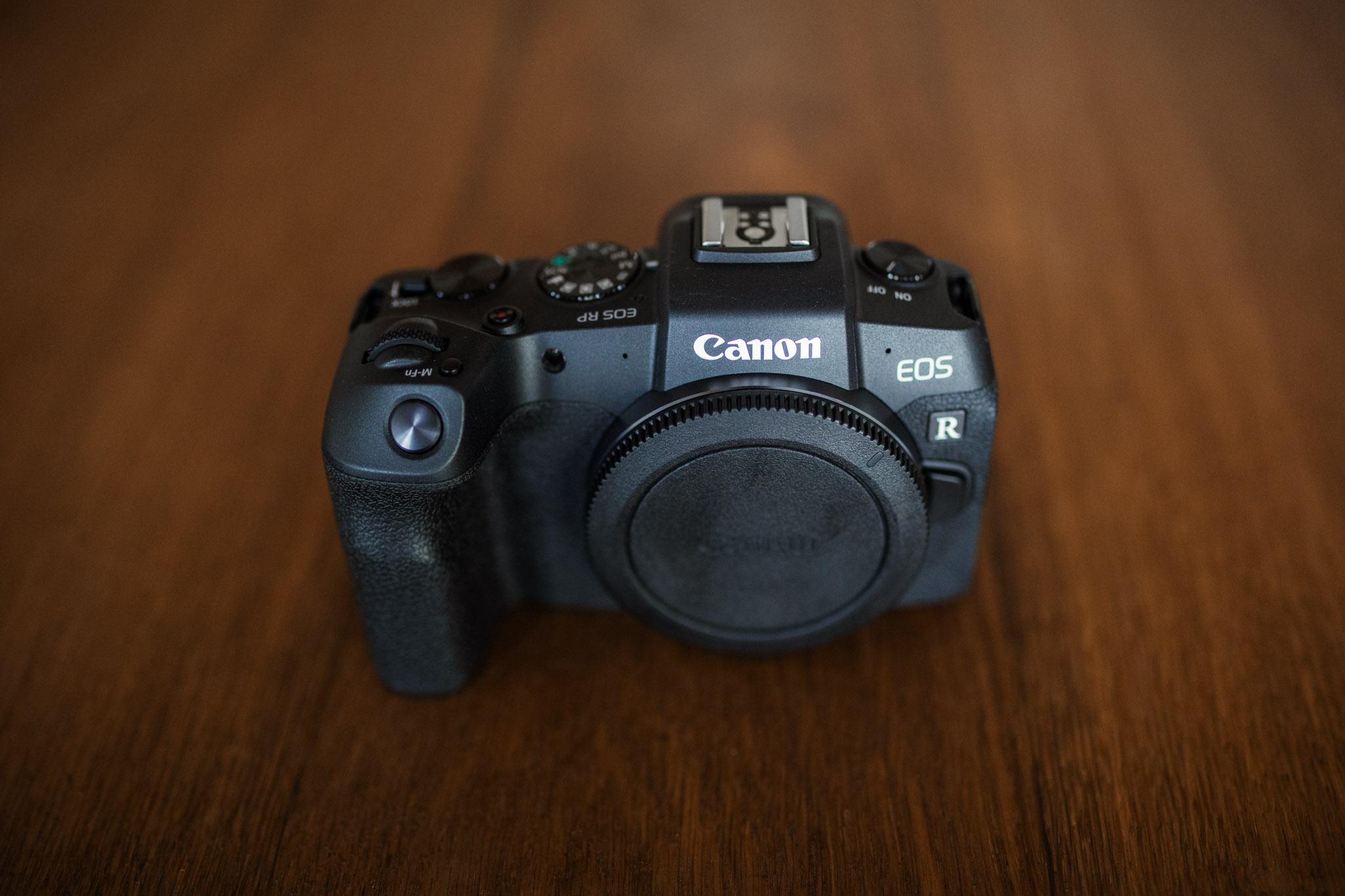
In the following sections I want to explain in detail how to recognise a good beginner camera. Unfortunately we’ll also have to take a look at the technical aspects. But I’ll try to present everything in a heavily simplified way so you don’t run away screaming.
Which Type of Camera Is Best for Beginners?
Quite clearly: a beginner benefits most from a modern, mirrorless system camera. But there are more camera types. To give you a better overview in the world of cameras, I’ll introduce the four basic types in more detail:
- mirrorless cameras (called system cameras or DSLMs)
- digital and analogue DSLRs
- bridge cameras
- compact cameras / smartphones
In the following table you can see how these camera types differ and what advantages and disadvantages they have:
| Camera type | Advantages | Disadvantages |
| DSLRs | Very good image quality, high durability, interchangeable lenses, an extreme range of settings | Big and heavy, autofocus occasionally imprecise, only older models still available, no future-proofing, setting the correct exposure requires know-how |
| Mirrorless system cameras (DSLMs) | Very good image quality, very good autofocus, the viewfinder shows the actual exposure, small and compact, interchangeable lenses, an extreme range of settings, strong video features, very fast burst rates | Shorter battery life |
| Bridge cameras | Often a strong zoom possible, some manual settings possible | Moderate image quality, short battery life, slow |
| Compact cameras | Light and compact | Hardly any settings, worse image quality than larger cameras, little added value over a smartphone camera, slow, slow autofocus |
Now that you know the different camera types, it’s important to make the right choice – because not every camera is suitable for getting started in photography.
Which camera type is best for you as a beginner I’ll show you in a ranking of the different types:
- Mirrorless cameras: mirrorless models are the best choice for you if you want to photograph seriously while using modern technology. They offer excellent image quality and the flexibility of interchangeable lenses, yet are much easier to use and handle. The big advantage is that with a mirrorless camera you can work your way into photography relatively easily and pick up knowledge as you shoot. In a separate article I introduce more system cameras for beginners.
- DSLRs: although DSLRs still have very good image quality today, the DSLR is basically an outdated system. As a professional I now work exclusively with system cameras. My DSLRs have all gradually been replaced by modern system cameras (DSLMs) over the past few years. Working with a DSLR requires a fair amount of knowledge to operate it correctly. A DSLR only comes into question if you’re willing to invest time and effort in learning photography and getting to grips with metering.
- Bridge cameras: these cameras are ideal for beginners who don’t want to commit to a particular genre and are looking for a versatile camera. With their fixed zoom lens covering a broad focal-length range, they’re ideal for various situations, including wildlife and nature photography. Note, however, that with a bridge camera you’ll never reach the image results of a DSLM or DSLR
- Compact cameras: compact cameras are extremely user-friendly and require no deep knowledge of photographic techniques or editing. They often have numerous preset modes that let you simply take photos and learn the basics of photography to some extent. However, they offer little added value over smartphones and the image quality doesn’t come close to that of a DSLM or DSLR.
- Analogue cameras: cameras that still work with film are not a good choice for a beginner, because a lot of costs for film development will come your way. It’s also much harder for you to understand the effect of the settings on a photo, because you won’t see the results immediately.
Canon EOS R10
The Canon EOS R10 is the ideal camera for beginners who value high performance and quality. This mirrorless camera can shoot an impressive 15 frames per second. With the Dual Pixel CMOS AF II autofocus system you get precise focusing and amazing features like subject tracking and eye and animal autofocus.
Pros
- Very good all-round camera for beginners and advanced users
- Small and light
- Vari-angle screen
- very good image quality
- very good autofocus
Cons
- Currently hardly any RF-S lenses available
In Brief: The Difference Between DSLR and DSLM
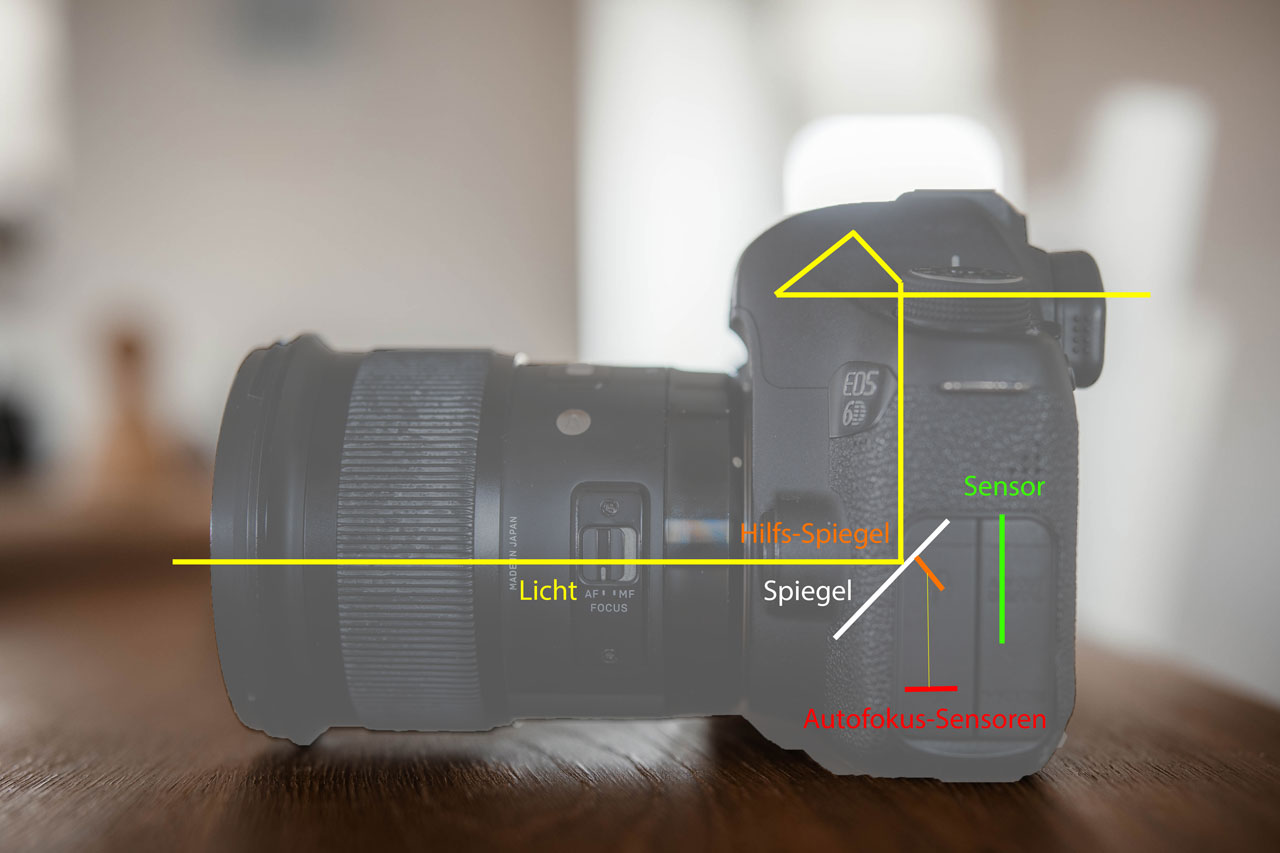
As a beginner you’re probably wondering what the difference between a DSLR and a DSLM is. It’s quickly explained: a DSLR has a mirror built in that’s responsible for the image you see in the viewfinder. When you press the shutter, the mirror flips up and the light then falls onto the camera’s sensor.
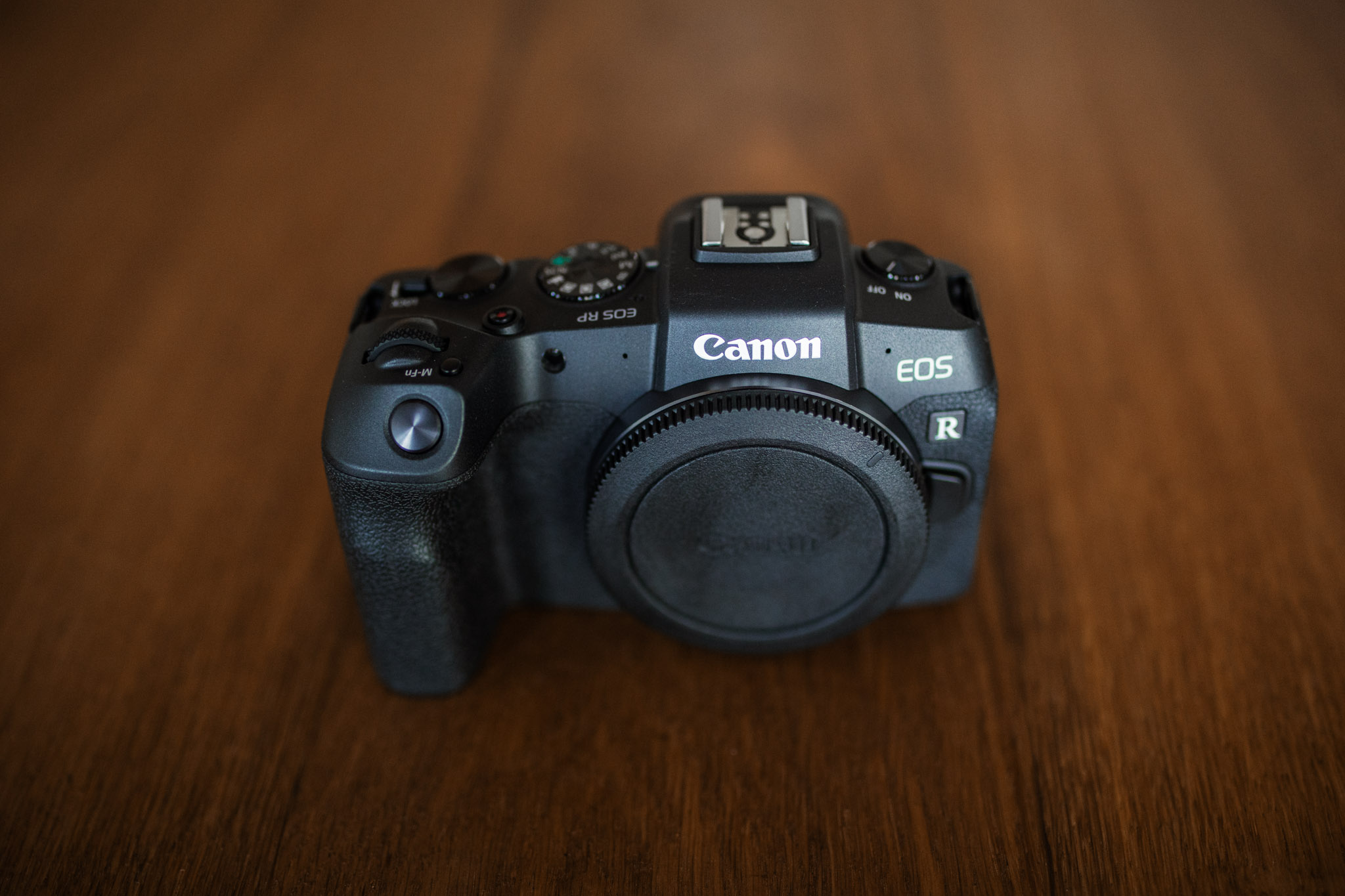
A DSLM, on the other hand, no longer has a mirror. The image you see in the viewfinder is projected directly from the sensor onto a small display built into the viewfinder.
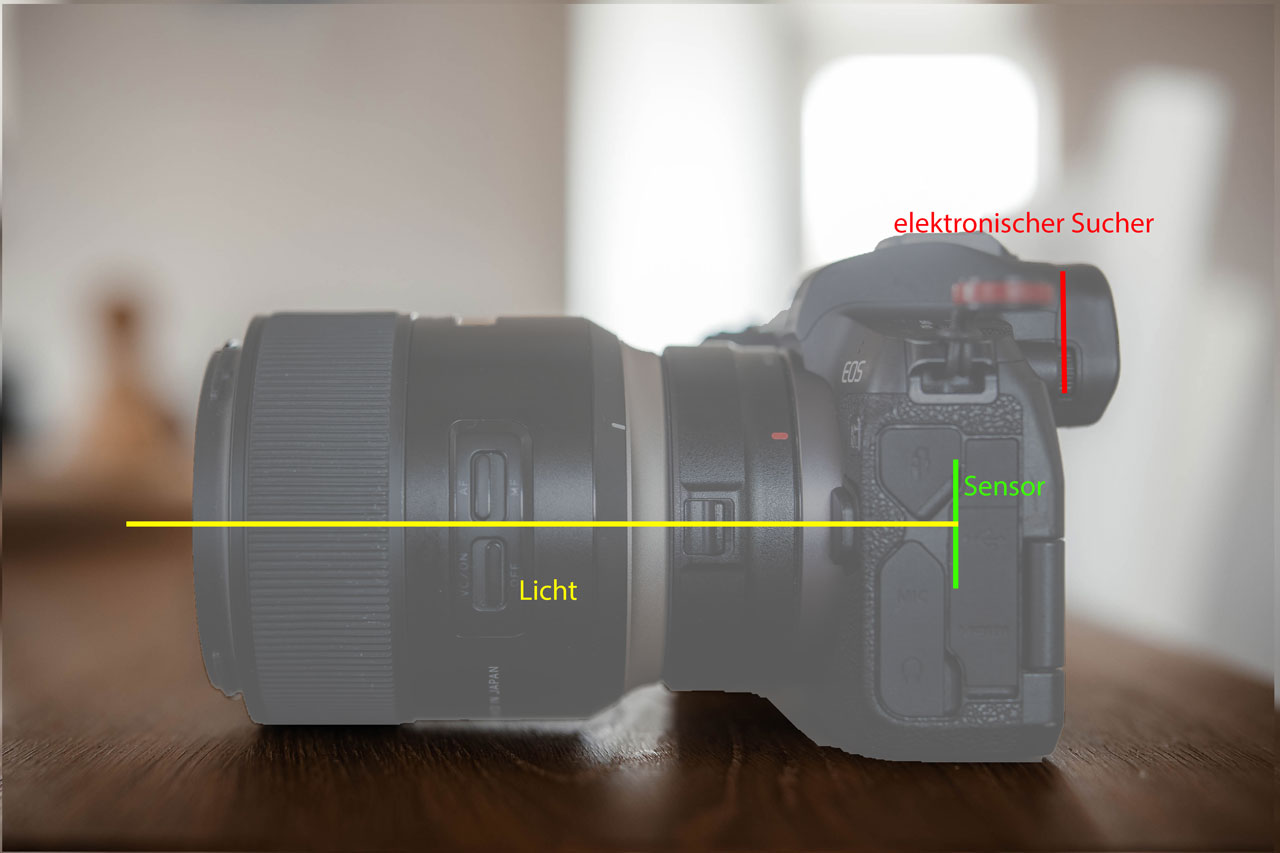
This has many advantages: in particular a much better autofocus and the fact that you see directly in the viewfinder whether the photo will be correctly exposed. That’s an advantage that should matter to you especially.
If you want to know more about DSLR vs DSLM, take a look at this article: DSLR or DSLM?
Which Camera Brand Is Best for Beginners?
Let’s deal with the topic of “camera brand” right away, because there are quite a few. The most popular cameras for beginners come from these brands:
- Canon: certainly one of the best-known brands. Canon’s cameras are easy to use and absolutely suitable.
- Sony: Sony’s cameras are technically very good and now easy to use too.
- Nikon: easy operation, outstanding image quality and many features make Nikon cameras very interesting
- Fujifilm: if you want a camera with a retro look, Fuji is perfect for you. The cameras are also very easy to use.
- Panasonic: if it should be especially small or you film now and then, Panasonic is an excellent choice.
- Olympus: likewise very compact cameras and well suited to beginners.
As a beginner, steer clear of these camera brands:
- Samsung: no longer produces cameras, and the cameras on the used market aren’t future-proof
- Sigma: Sigma is very well known and in demand as a lens manufacturer, but also offers a few fantastic cameras and cool sensors. However, these are developed for very specialised areas and are more suited to professionals
- Leica: unless you’ve just won the lottery jackpot, give Leica a wide berth. If money is no object for you (congratulations), then take a look at a Leica
- PhaseOne: a medium-format camera is absolutely unsuitable
- Pentax / Ricoh: since Pentax is the little nerd among camera brands, getting started with these cameras will be harder for you. They build cool cameras – no question – but I advise against them.
Is the brand of your camera important? In short: not really. At least not if you take a beginner camera from the big six camera brands.
There’s not much between the cameras from Canon, Nikon, Sony, Olympus, Panasonic and Fuji in terms of quality. The only differences are in the lens line-up. In megapixels, autofocus, burst rates and video features, all manufacturers are on a similar level. Each of these manufacturers has suitable cameras for a beginner in its range that you can fall back on.
The Heart of Your Camera: The Sensor
The sensor in the camera is the most important component, because it converts the light signals into a digital photo. Cameras have differently sized sensors that affect the image quality and depth of field of your photos.
The three most important sensor sizes, which are also used in beginner cameras, are these:
- APS-C sensor
- MFT sensor
- Full-frame sensor
Here I’ve shown you these sensor sizes in comparison:
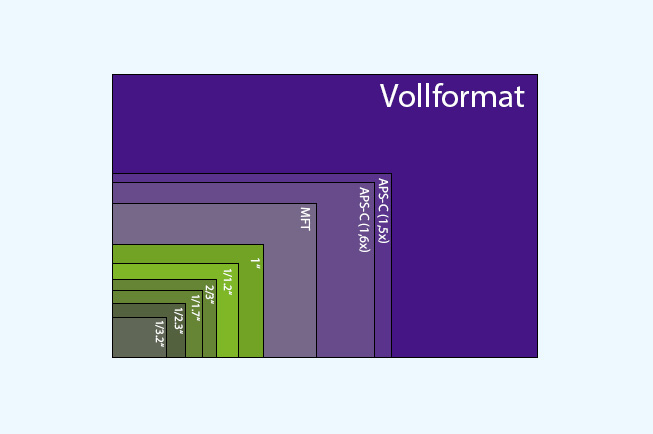
What are the differences between the sensor sizes? I don’t want to bore you unnecessarily with technical details here as a beginner, so I’ll really only explain it very briefly for you:
- The larger a sensor in the camera, the easier it is to create a blurred background.
- The smaller a sensor, the easier it is to keep a large area in focus.
- A large sensor often has more “dynamic range” and therefore better image quality.
- Put simply, in low light photos with large sensors are often significantly better than with small ones.
How Many Megapixels Does a Beginner Camera Need?
Megapixels refer to the resolution of the photos you take with your camera. 24 megapixels corresponds to a resolution of 6000 x 4000 pixels.
For comparison: if you watch a Full HD video on YouTube with a resolution of 1920 x 1080 pixels, you end up at around 2 megapixels. A 4K video (i.e. UHD) has a resolution of 3840 x 2160 pixels, which is a little more than 8 megapixels.
A beginner camera these days should have 16 to 24 megapixels, because that’s easily enough for most photos. Even I as a professional rarely need more than 20 megapixels. By the way: images shared on the internet or social media often have a resolution of one to 4 megapixels.
Operation & Ergonomics
When you choose your camera, it should sit well in your hand. Also pay attention to whether you can reach all the buttons comfortably and whether the camera’s menu is easy for you to understand.
Interchangeable Lenses
The interchangeable lens is the part of your camera through which the light falls onto the sensor. The lens determines how much of the scene is captured, how much depth of field is in the photo, and it also influences how much light reaches the camera sensor in the first place.
What matters for you here is not to be put off at first by all the numbers and labels on the lenses.
There are zoom lenses, with which you can change the framing, and prime lenses, where the framing is always the same.
If you want to learn more about good lenses for beginner cameras, or want to know what the labels mean exactly, I recommend taking a look at my guide to lenses.
Important Functions You Need
No matter which camera type you decide on, make sure the model has these functions:
- Particularly important would be a program auto mode (Canon and Nikon: P)
- aperture-priority mode (Canon Av / Nikon A)
- shutter-priority mode (Canon Tv / Nikon S)
- and last but not least a manual mode (Canon and Nikon: M).
These camera modes are, in my view, enormously important for learning and experiencing digital photography. By the way, I have a very comprehensive article here that will surely help you learn photography:
Buying a Used Camera – a Good Idea?
My tip for saving money is above all used cameras. Because you can take really good photos with a used, older camera too!
There are used cameras galore. But always buy carefully. On eBay/classifieds it’s best to always pay via PayPal when buying a used camera too – and by that I don’t mean the “send money to friends” function. Only this way are you really protected if things go wrong.
If eBay puts you off, you’ll also find used cameras from providers that check the equipment and even give a warranty. One of the big providers for this is asgoodasnew. Or you drop by one of the many camera dealers.
A good example that you don’t always need the best, most modern camera: a friend of mine who entered a photo competition in 2016 with shots from his really ancient Canon 450D took first place. And that despite other entrants starting the competition with modern and sometimes very expensive gear.
The Best Cameras for Beginners with Interchangeable Lenses – Sorted by Brand
The Best Beginner Cameras from Canon
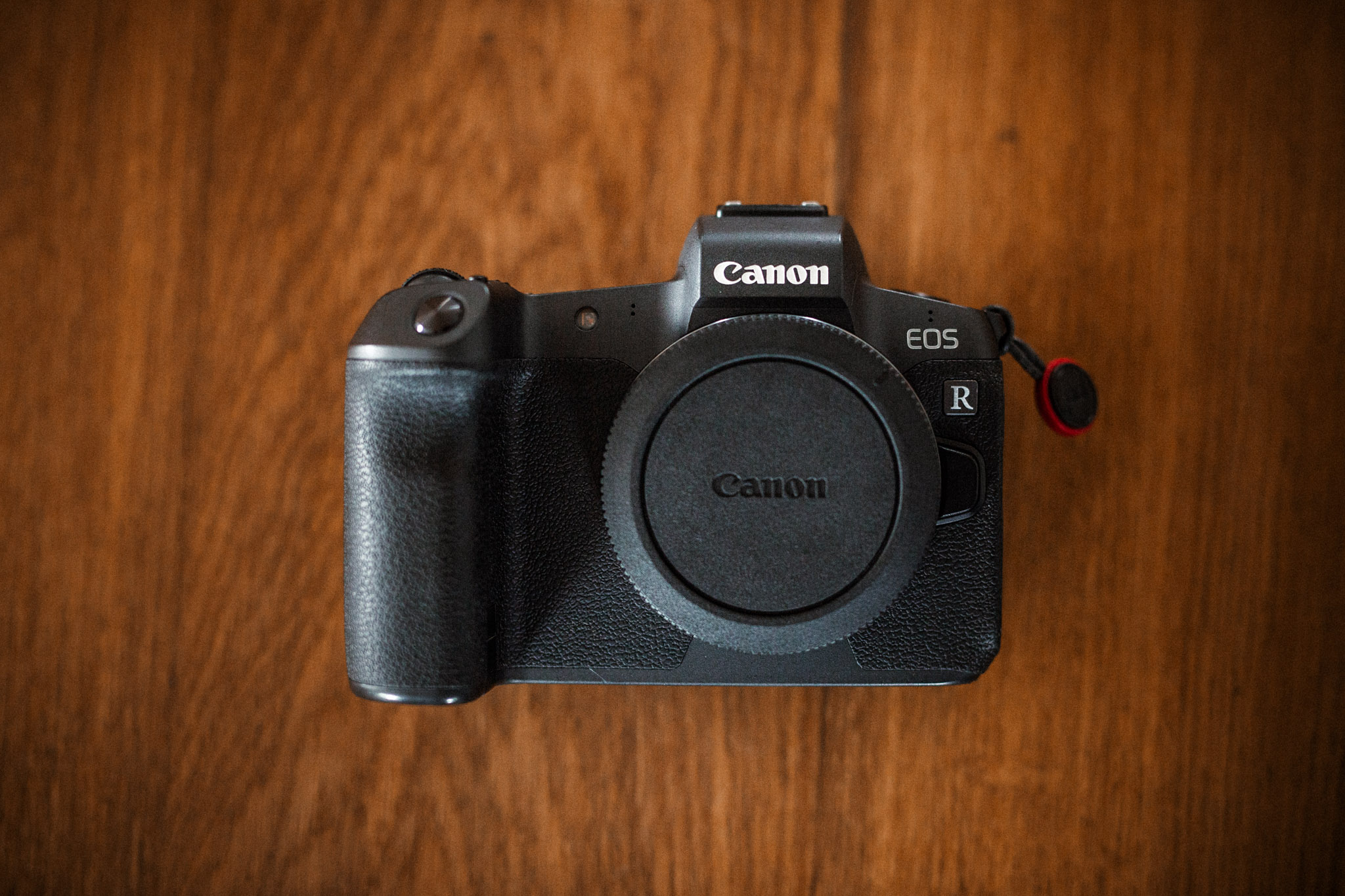
Canon is one of the most popular camera brands among beginners. The reason for this isn’t just the affordable cameras but above all the easy menu navigation and a large number of available lenses.
Canon’s beginner cameras have these advantages:
- Canon cameras are easy to use and sit very well in the hand
- Very easy menu navigation
- Numerous scene modes make getting started easier
- Many interchangeable lenses that can be used with the cameras
- Very good electronic viewfinders
Beginner Cameras from Sony
Anyone looking for an affordable beginner camera can’t get past Sony. Because Sony is one of the pioneers of mirrorless cameras with interchangeable lenses and delivers cameras with an impressive feature set.
Sony’s beginner cameras offer you these advantages:
- Especially small and therefore always with you
- Excellent image quality
- Very good autofocus
- Many interchangeable lenses that can be used with the cameras
- Many advanced video features
Beginner Camera from Nikon
Nikon also offers good cameras that are perfectly suited to beginners and provide all the important functions. This list shows you Nikon’s top entry-level cameras:

Mein Preset-Paket "Marlene"
Du magst meine Fotos und den Bildlook? Dann sind meine Marlene Presets für Lightroom genau richtig für dich!
Nikon’s beginner cameras offer you these advantages:
- Especially rugged and sit well in the hand
- excellent image quality
- very good autofocus
- Coherent camera menus
- Many interchangeable lenses that can be used with the cameras
Beginner Camera from Fujifilm
Fuji cameras are also ideally suited to beginners, even if the price is a little higher. Fuji offers very good image quality, good autofocus and likewise small, compact models that are always with you everywhere.
Fujifilm X-M5
Pros
- Good image quality
- Compact and light
- Many lenses available
- Retro look
Cons
- No viewfinder
Fujifilm X100VI
Pros
- Very compact
- High resolution
- Retro look
- Many film simulations
- Fast lens
Cons
- Expensive
- Lens cannot be changed
Beginner Camera from Panasonic
With the Lumix system, Panasonic offers excellent full-frame and MFT cameras that impress with particularly good video and photo features.
Panasonic Lumix S9
Pros
- Good image quality
- Low-noise sensor
- Lots of good L-Mount lenses available
- Strong video features
Cons
- No viewfinder
- Too small for some hands
Panasonic’s cameras offer numerous advantages:
- Great image stabiliser
- Especially small cameras for on the go
- Many interchangeable lenses that can be used with the cameras
- excellently suited to filming
The Best Beginner Cameras by Photography Genre
In the following sections I introduce the best beginner models for many areas of photography:
Beginner Camera for Landscape Photography
Here your camera should have at least 24 megapixels, a high dynamic range and an HDR mode.
Sony Alpha 6400
Thanks to its very good value for money, the Sony Alpha 6400 is one of the best beginner cameras for landscape photography: it impresses with an APS-C sensor and very good image quality. The Sony Alpha 6400 is small and there’s a large choice of good landscape lenses for it.
Pros
- very good photo and video quality
- very fast camera in a small body
- tilting display
- reliable, fast autofocus
- with lens
- good battery life
Cons
- menu navigation a bit cumbersome
- touchscreen only usable to a limited extent
Beginner Camera for Travel Photography
Here, small cameras with 20 to 24 megapixels have proven themselves. Ideally with a universal zoom lens.
Canon EOS R10 (with RF-S 18-150mm)
A very good beginner camera for many areas of photography. Thanks to its small size, easy operation and reliability, combined with the RF-S 18-150mm lens it’s ideal for travel photography, because it covers a wide variety of subjects.
Pros
- Very good all-round camera for beginners and advanced users
- Small and light
- very easy, pleasant operation
- vari-angle screen
- very good image quality
- very good autofocus
Cons
- expensive
Beginner Camera for Family Photos / Everyday Photography
The ideal beginner camera in this area should be easy to use and cover a focal-length range between 18mm and 50mm. The lighter and more compact the camera, the more often you’ll have it with you. Here my clear recommendation is the Canon EOS R50 with the compact 18-55mm kit lens.
Canon EOS R50
Together with the RF 18-50mm lens, the EOS R50 is a very good entry-level camera for family and everyday photography that you’ll enjoy for a long time. It’s small and therefore always quickly to hand.
Pros
- very good photo and video quality
- also very well suited to bloggers / vloggers
- suitable for many areas of photography
- very fast camera in a small body
- reliable autofocus
Cons
- Only few lenses available
- Only one dial
- small battery
Beginner Camera for Sports and Dog Photography
If you want to photograph sports or dogs in motion, you should look out for a fast burst rate. Any camera from ten frames per second is very well suited.
Canon EOS R10 (with RF-S 18-150mm)
The extremely fast Canon EOS R10 is an absolute beginner recommendation for sports & animals. Combined with the RF-S 18-150mm lens you can attempt your first photos in this discipline. I’d recommend, though, going for the RF 100-400mm lens instead.
Pros
- Very good all-round camera for beginners and advanced users
- Small and light
- very easy, pleasant operation
- vari-angle screen
- very good image quality
- very good autofocus
Cons
- expensive
Portrait Photography
For portrait photography you should go for a beginner camera with a full-frame sensor. That makes it easy to separate your subject from the background. Here the Canon EOS R8 is my absolute camera recommendation. It’s best to get the Canon RF 50mm 1.8 lens with it, so you get beautiful bokeh and a blurred background in your portraits.
Canon EOS R8
An absolute recommendation if you want to photograph portraits while travelling or as a beginner. The R8 also has a really excellent autofocus!
Pros
- Comparatively affordable
- Extremely fast camera
- Ideal for sports and wildlife photography as well as portraits
- fully articulating screen
- High-resolution pro system camera with an extremely good autofocus
- very good noise behaviour
- Works very well with adapted Canon EF lenses too
- very good ergonomics
- excellent video features
- Small and light, therefore perfect for travel
Cons
- Weak battery
- Only one memory card slot
- Memory card slot in the battery compartment
- no sensor-based image stabilisation (IBIS)
Cheapest Camera for Beginners
If you have no particular preference for a photography area but just want an affordable beginner camera, you should take a look at the Canon EOS R100.
Canon EOS R100
Currently one of the cheapest cameras for beginners. If you have a small budget, are looking for a simple beginner camera and only need basic functions, the Canon EOS R100 is enough.
Pros
- Very affordable complete package
- Very good autofocus with eye, face and subject detection
- Low-noise sensor
Cons
- No touchscreen operation
- No vari-angle screen
- Only about 3 frames per second with autofocus
- No sensor cleaning
- Weak video specs
- Small viewfinder
- Only a few buttons
Comparison of the Most Popular Beginner Cameras
In this table I want to compare the models presented here side by side once more, so you can see at a glance how the beginner cameras differ.
| Camera | Autofocus | Image quality | Operation & handling | Details | Typical use case |
|---|---|---|---|---|---|
| Canon EOS R100* | 7/10 | 7/10 | 6/10 | APS-C, 24 MP, no IBIS, no touchscreen, no vari-angle screen, very light | Beginners, family, everyday, travel, learning photography |
| Canon EOS R50* | 8.5/10 | 8/10 | 8.5/10 | APS-C, 24 MP, very good AF, fully articulating display | All-round beginners, travel, street, portrait |
| Canon EOS R10* | 8.5/10 | 8/10 | 9/10 | APS-C, 24 MP, fast bursts, very responsive AF | Action beginners, sports, animals, ambitious photography |
| Sony ZV-E10 II* | 8/10 | 8/10 | 7.5/10 | APS-C, 26 MP, no EVF, strong eye AF | Content & everyday, street, portrait, hybrid photo |
| Nikon Z30* | 8/10 | 7.5/10 | 8/10 | APS-C, 20.9 MP, no EVF, compact | Travel & vlogging hybrid, street, reportage |
| Nikon Z50 II* | 8.5/10 | 8/10 | 8/10 | APS-C, 20.9 MP, EVF, good handling | All-round photography, nature, travel, hobby projects |
| Sony Alpha 6400* | 8.5/10 | 8/10 | 8/10 | APS-C, 24 MP, rugged body, fast AF | Street & reportage, light wildlife, ambitious photography |
| Fujifilm X-M5* | 7.5/10 | 8.5/10 | 8.5/10 | APS-C X-Trans, 26 MP, IBIS, strong colours | Travel photography, street, landscape, portrait |
| Canon EOS R8* | 9/10 | 9/10 | 8.5/10 | Full frame, 24 MP, very strong AF, light | Low light, portrait, event, semi-pro |
| Canon EOS RP* | 7/10 | 8/10 | 7.5/10 | Full frame, 26 MP, older AF system | Entry-level full frame, portrait, landscape |
Frequently Asked Questions
How do I find a good beginner camera for me?
You recognise a good camera by the fact that it’s coherent for you to operate, sits well in the hand and is fun. The camera’s technical features should also match the area you want to photograph in. Sports, for example, needs 10 or more frames per second, whereas in landscape photography 10 frames per second are rather useless.
What else do I need to start photography besides the camera?
You absolutely need a suitable lens and a memory card. The rest is entirely optional. If you photograph landscapes, a tripod is certainly useful.
Which camera manufacturers are recommended
All six major camera brands have wonderful cameras for beginners.
The big brands are: Canon, Sony, Nikon, Fuji, Olympus and Panasonic.
Which Canon camera is best for beginners?
From the EOS R system, those are definitely the Canon EOS R50 and the Canon EOS R10.
Which Nikon camera is best for beginners?
I recommend the very good Nikon Z50 II. It’s particularly suitable and offers good image quality.
Should I choose a DSLR or a mirrorless camera?
Please don’t buy a DSLR new any more, because all the DSLR systems are dying out and no longer up to date. As a beginner you’ll have more fun with a mirrorless camera, and taking photos will be much easier and, above all, faster to learn.
What is the best beginner camera for under 1000 euros?
In the price range under 1000 euros, in my view it’s the Canon EOS R10. It offers very good performance and image quality for beginners.
And Which Camera Did You Go For?
Now we’ve actually reached the very end, and I hope my camera buying guide for beginners was helpful for you.
I’m curious which camera you decided on or which camera you started your photography journey with. Feel free to leave me a comment – I’ll definitely reply :)